15 Things to Do in Gran Canaria and Our Tips
Getting ready to leave for Gran Canaria, or wondering whether this destination is for you? We tell you all about the island and its must-see sights.
When and
how to go
When should you visit Gran Canaria?
That’s the island’s first advantage: the weather! It is generally between 20° and 29° all year round, with the hottest temperatures between June and October. It very rarely rains, with an average of 4 days of rain per month.
The sea is more pleasant in summer, around 24° on average, compared with 14° in winter. So to enjoy the sea, choose the warm season. For good weather, touring the island or the hiking trails, you can enjoy it all year round!
How do you get to Gran Canaria?
The simplest way is of course by plane: the island has an international airport between the north and the south. You can also get there by ferry from Spain or from other Canary Islands. In fact, it’s not unusual to visit several islands during the same stay.
For our part, we flew to Tenerife, then took the ferry to Gran Canaria, and flew home. The ferry cost about €50 per person for a 1 h 40 crossing, in summer.Where to stay
and getting around
Where should you stay in Gran Canaria?
You’ll quickly notice on the map: one part of the island is much greener than the other, and that’s no coincidence. The north is often cloudy, even in summer. Yet all you need to do is take the GC-1 one morning and drive 30 to 40 minutes south to find blue skies, bright sunshine and 5° more.
But this weather comes at a price! The south is much more touristy, with many seaside resorts, especially in Maspalomas, and more expensive rentals. The north is less touristy and more authentic, with more locals. That’s where you’ll find the island’s biggest city, Las Palmas de Gran Canaria, and rentals are more affordable there.
How do you get around the island?
You have three options: bus, taxi or rental car.
The bus, the cheapest option. The network is very extensive and several companies serve the main places of interest. Be careful with the less frequent lines, whose timetables you need to plan ahead so you don’t end up in a taxi. Allow between €1 and €3 for long journeys. The taxi, for occasional trips. It combines comfort and savings if you don’t travel much, for example if you stay in a resort and want to visit other places on certain days. Allow from just under €1 to more than €2 per kilometre depending on the season. The car, freedom without costing too much. To tour the island, discover several beaches or go hiking, it’s the most comfortable option, and prices are very affordable compared with France. Sixt, Avis and Hertz are there, but you’ll find much cheaper prices with local rental companies such as TopCar or Cicar. We chose Cicar: an equally professional company, very good cars and several branches on the island, including at the entrance to the ports. Ideal if you take the ferry to go from one island to another.Petrol is cheaper than in France, around €1.05 a litre during our stay. The roads are well maintained, driving and signage differ little from home, and with a small city car you’ll always find somewhere to park, even if it means stopping a few streets further on.
The cost
of living
If you were hoping to save money on food, or on the contrary thought that an island less well connected than the mainland must be more expensive, think again: little or no noticeable difference with France. Restaurants charge similar prices.
At the supermarket, the advantage is the island’s many Lidl stores, very handy for buying water at a ridiculously low price. Tap water is drinkable, but can cause stomach aches for the more sensitive. It’s up to you.
As in Spain, buying equipment there is cheaper than in France, because taxes are lower. Even though they are geographically close to Morocco, the Canary Islands belong to Spain and therefore to Europe, with its advantages and its drawbacks 😉
Beaches and
natural pools
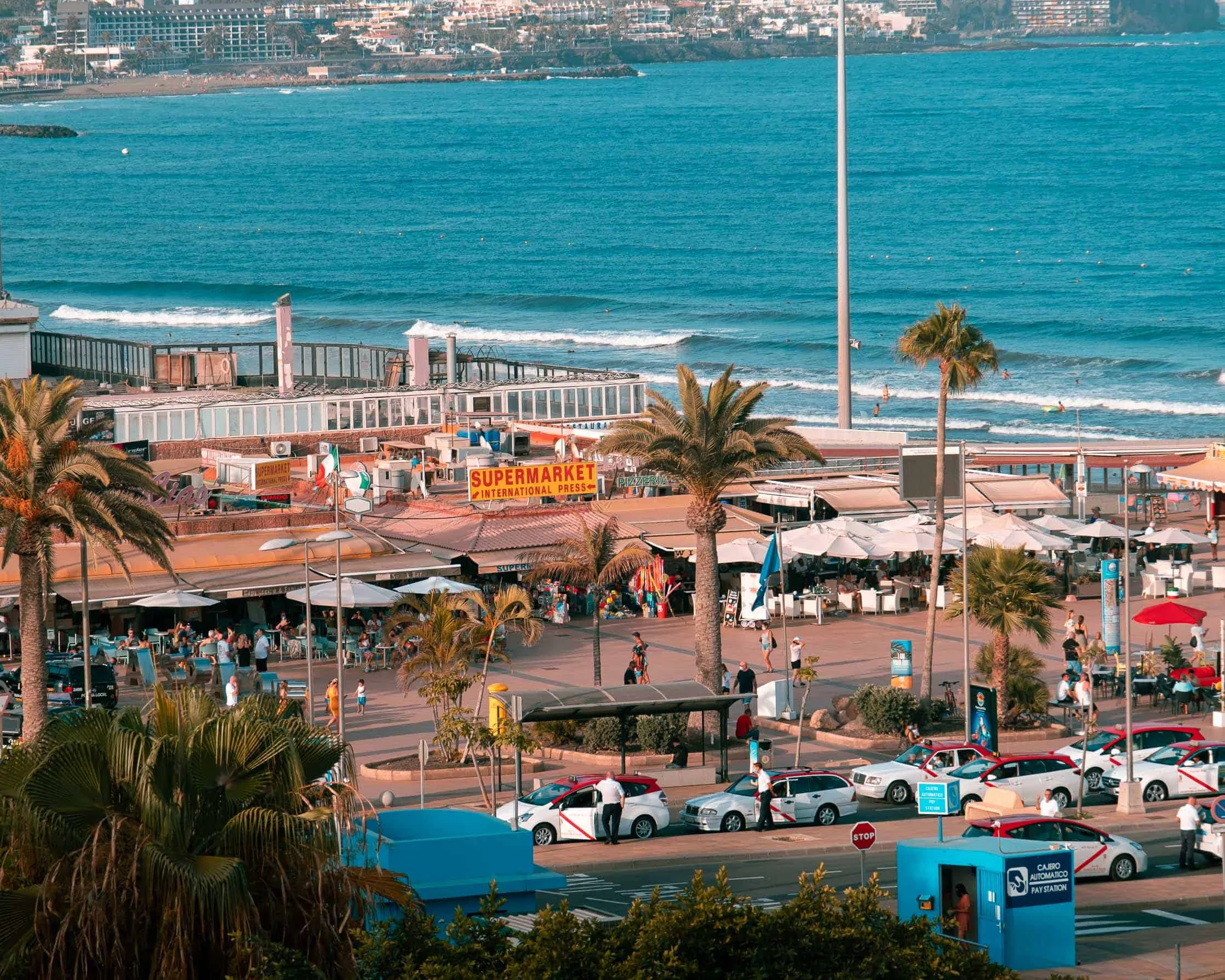
1. Playa del Inglés
A pretty tourist beach, laid out American-style: a large beach of fine sand, with many bars, restaurants, shops and a large paid car park set back from it. Up above, the resort and its hotels with private pools. It’s the beach for partying and enjoying the sea and its activities.
2. Amadores beach
Without a doubt one of the most beautiful beaches on the island. The clear water, the white sand and a calm sea make it very pleasant, but also very popular: it’s fairly small and often crowded in the afternoon.
3. Anfi del Mar beach
This artificial beach without waves offers a calm, family-friendly spot with everything you need: restaurants, activities, shops and sweets. Ideal for a good afternoon, and you can stroll along the beach and the harbour.
4. The Roque Prieto pools
In the north of the island, you’ll find many natural pools, including those of Roque Prieto: a quiet place sheltered from the waves, for anyone who doesn’t like sand under their feet. Watch the weather, which is often cloudy in this part of the island!
The beaches
Swipe →
The Maspalomas
dunes
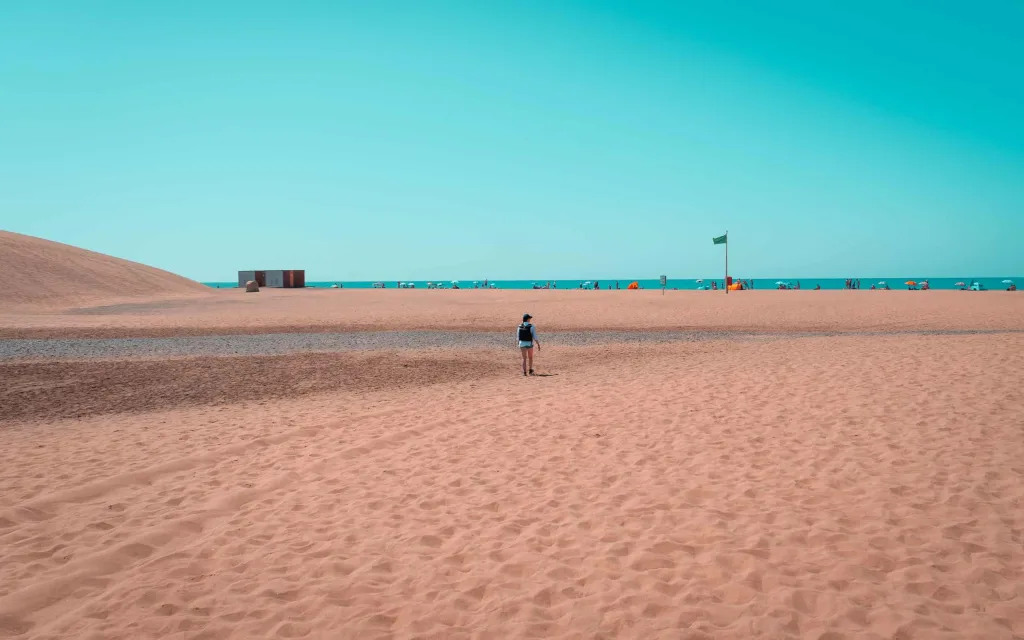
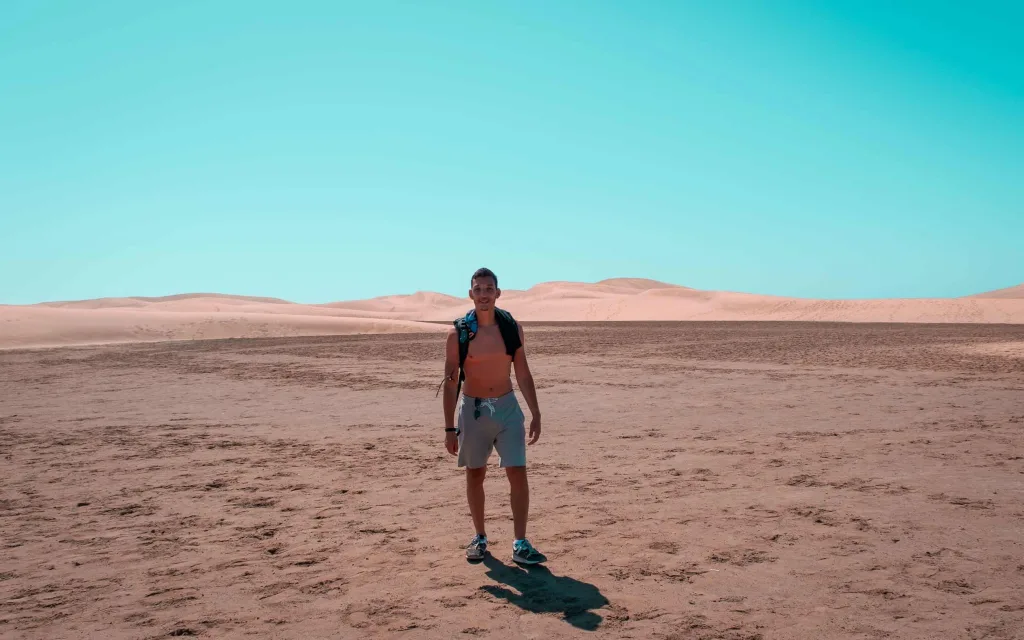
A unique setting on the island, with dunes about ten metres high. The Maspalomas dunes are a little piece of the Sahara that has landed on the Spanish island. Around them, you’ll find the resort and the very large Maspalomas beach.
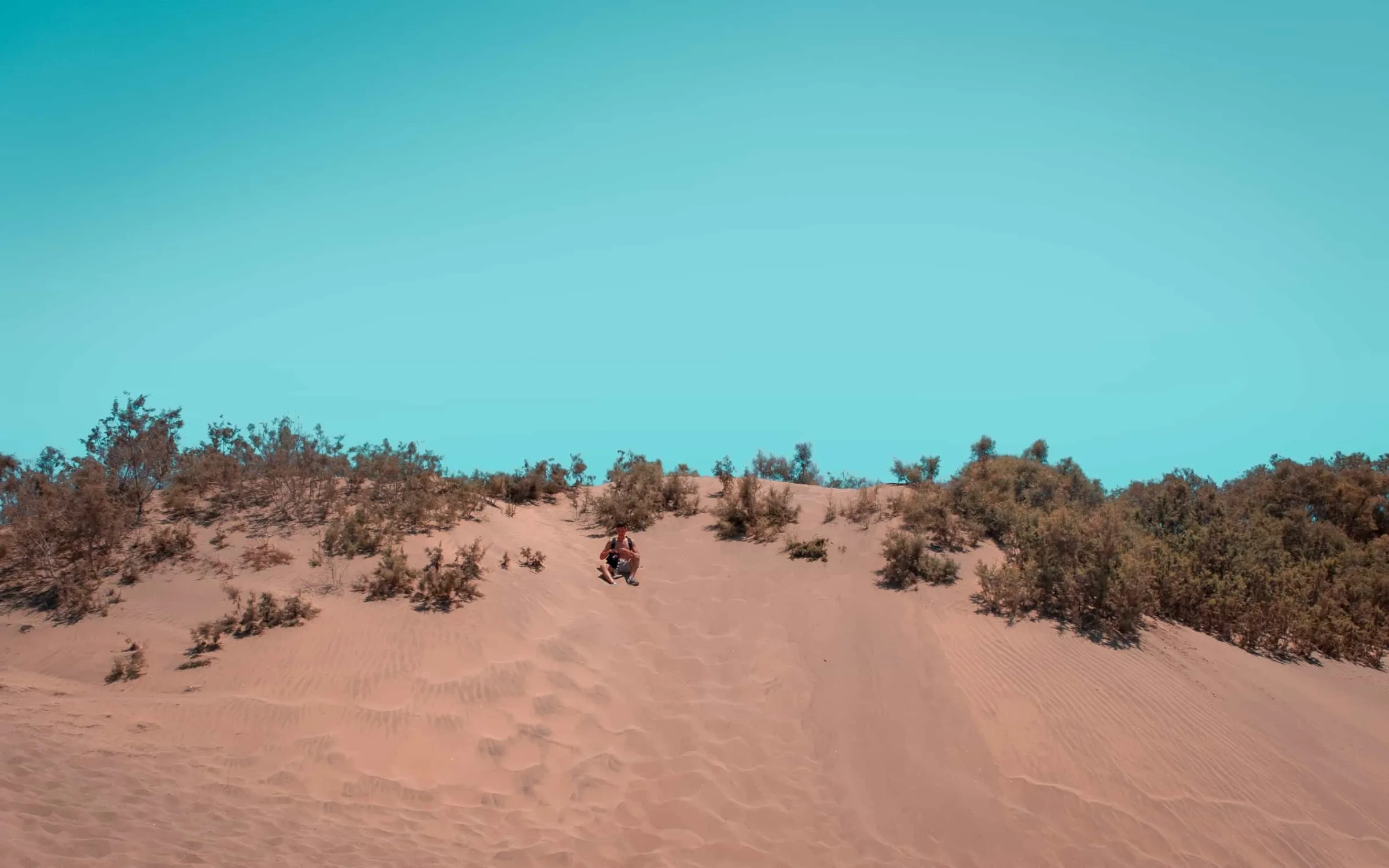
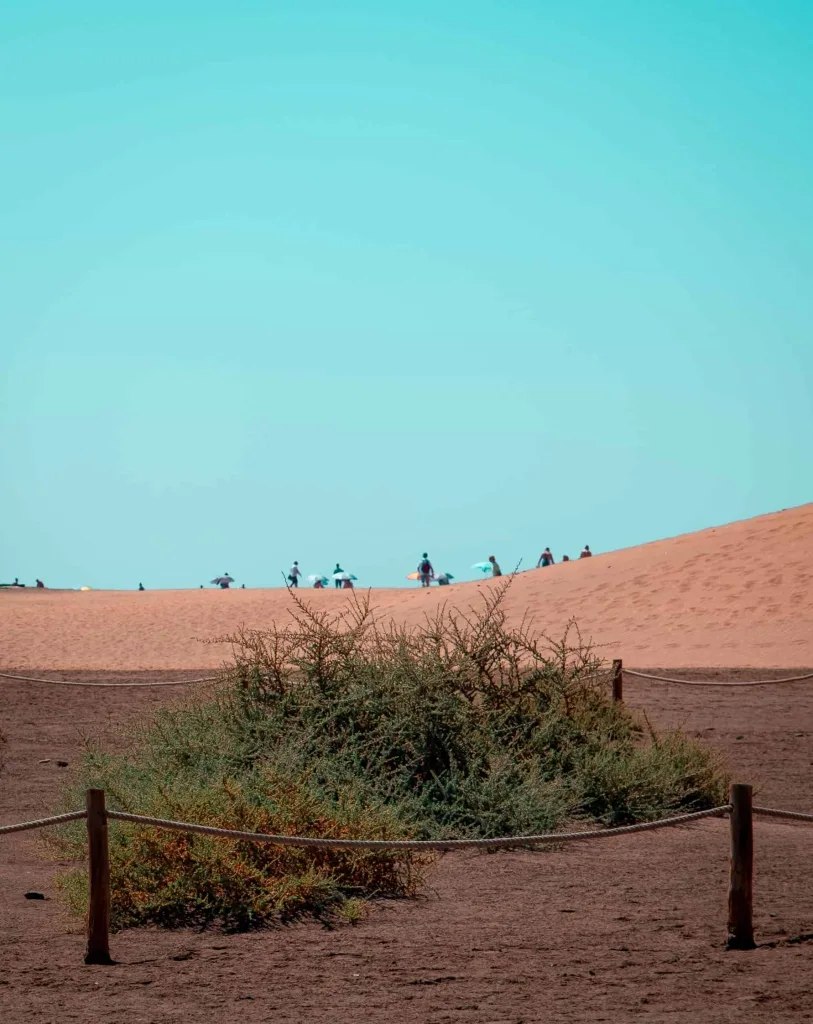
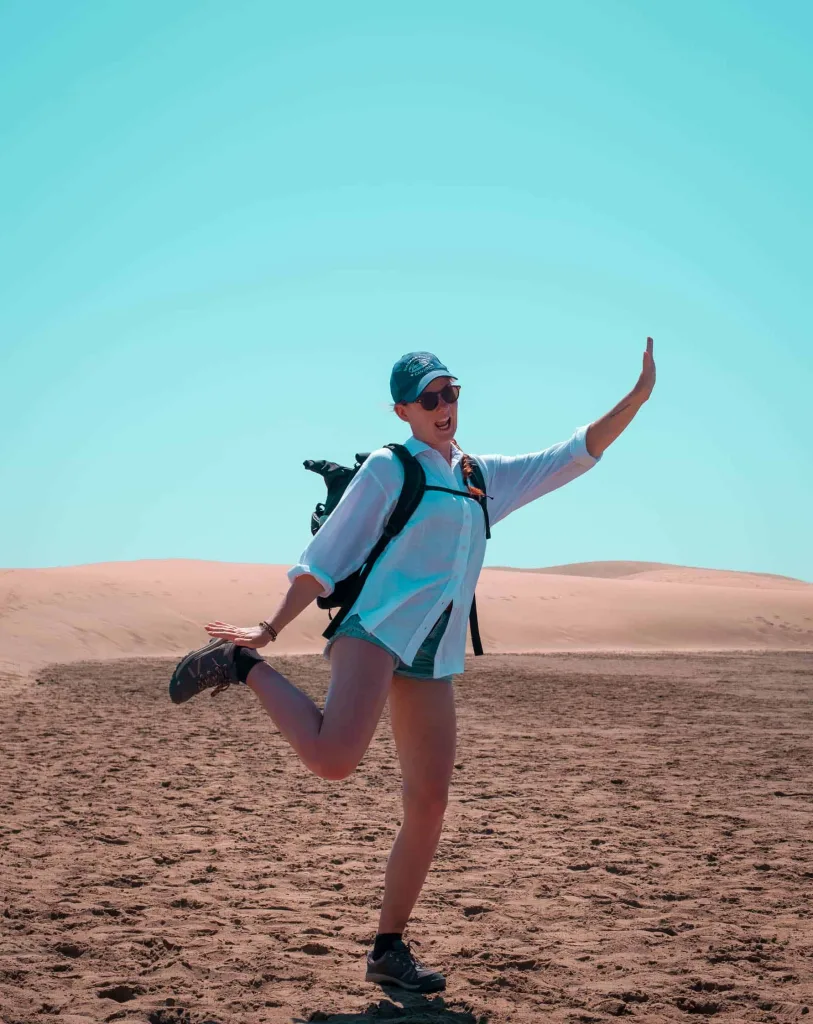
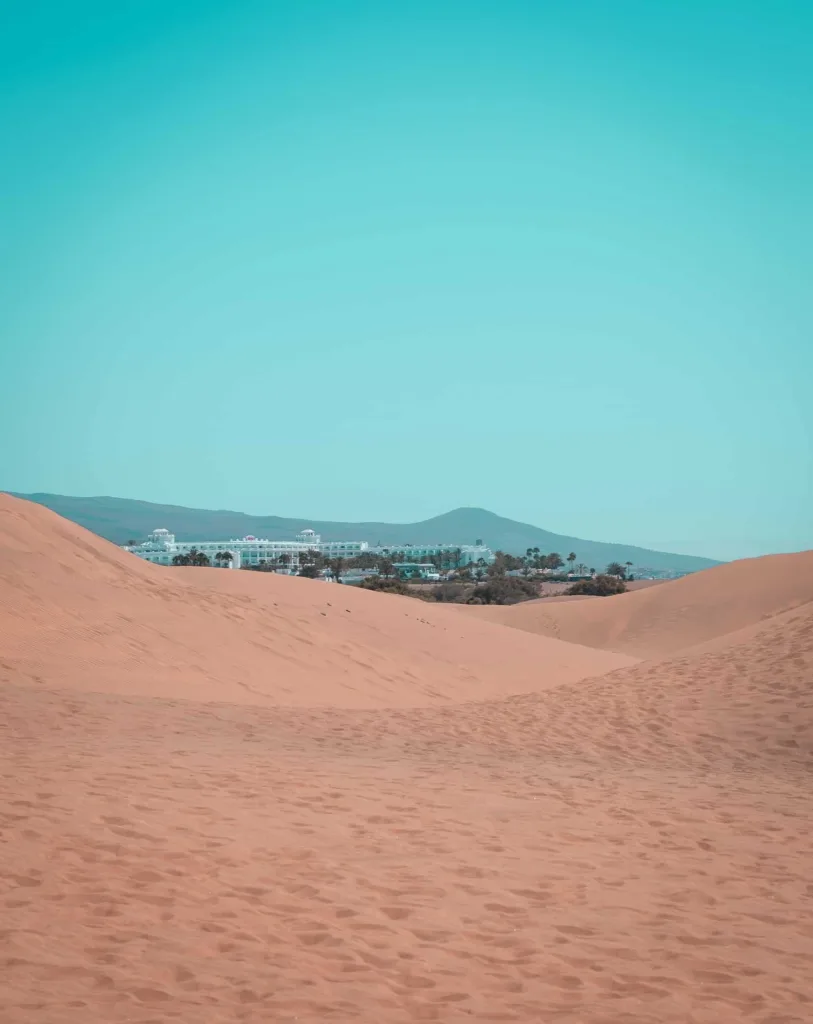
Maspalomas
Swipe →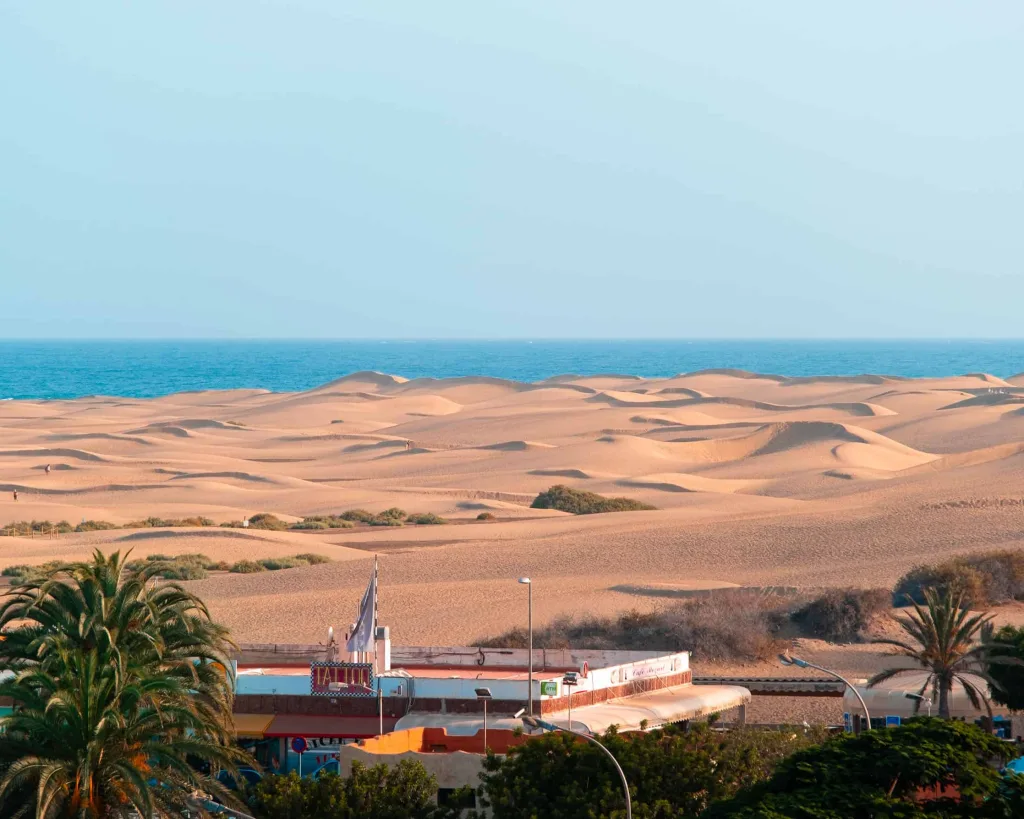
Pico de las Nieves
& Roque Nublo
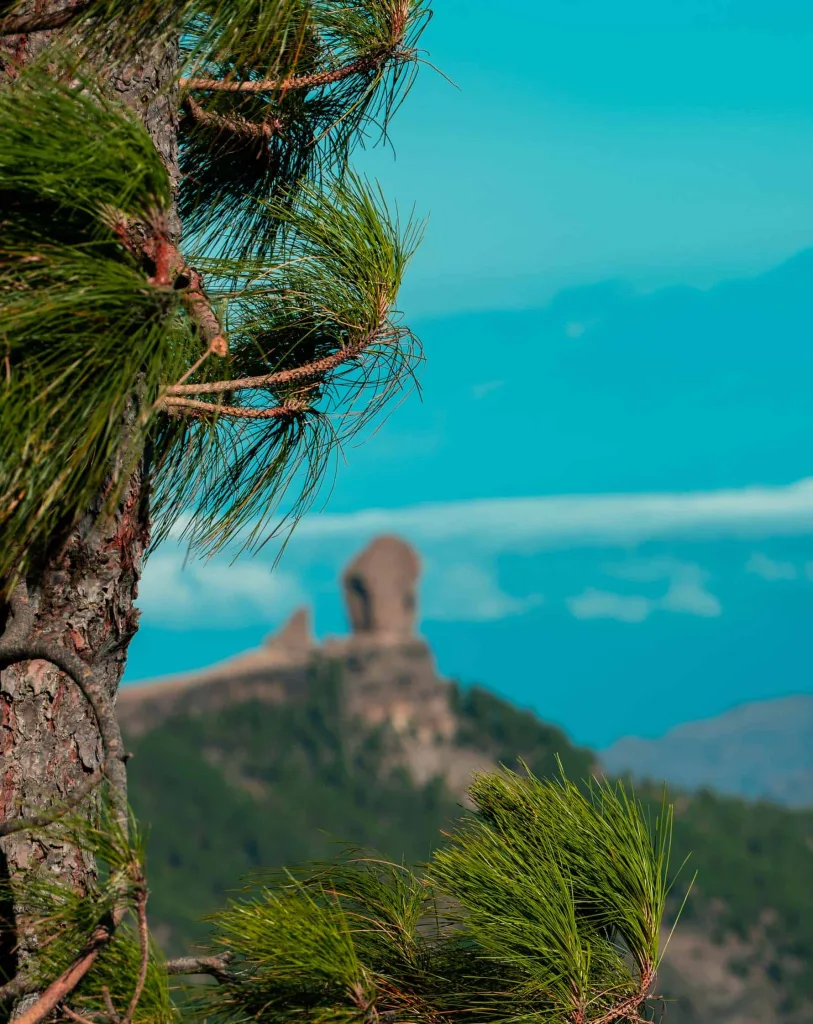
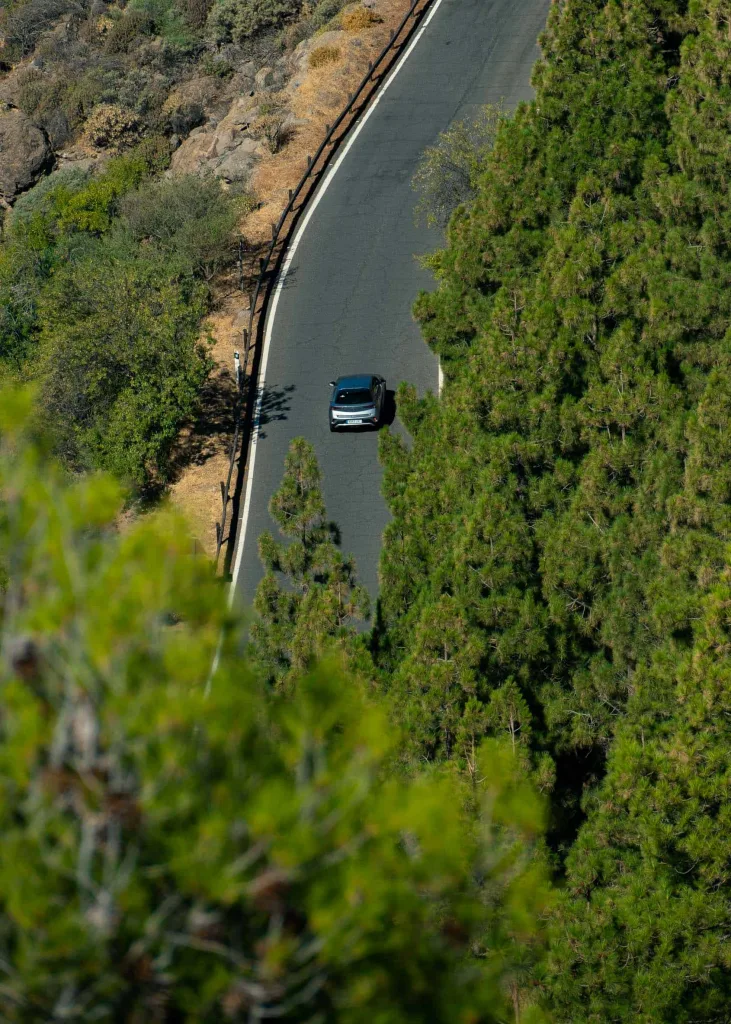
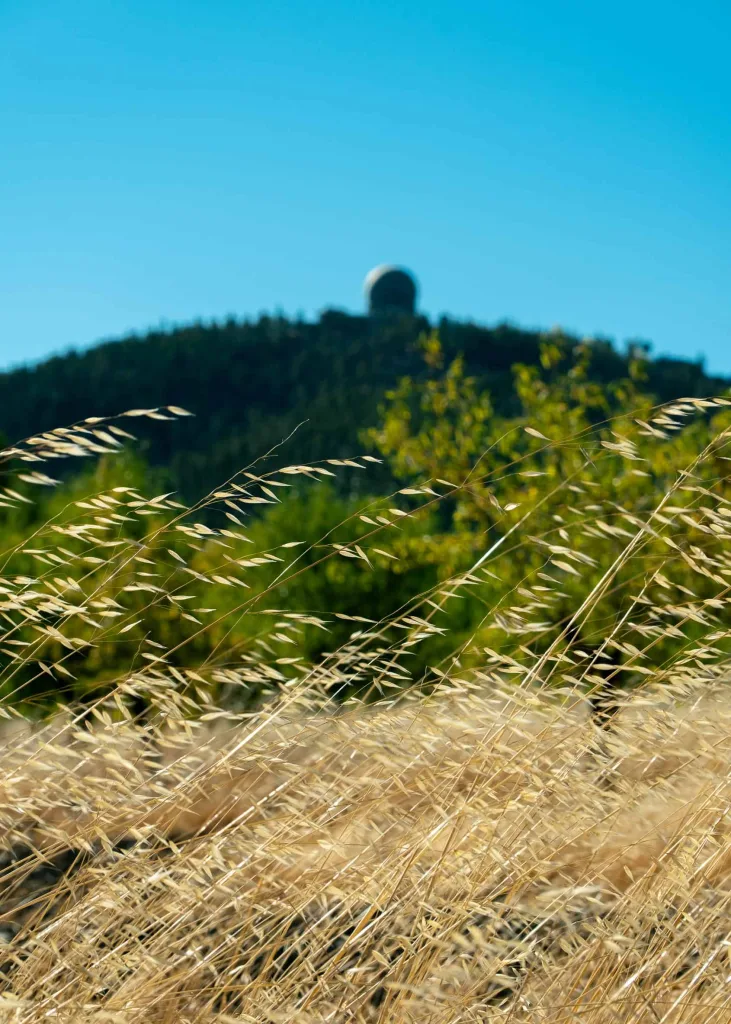
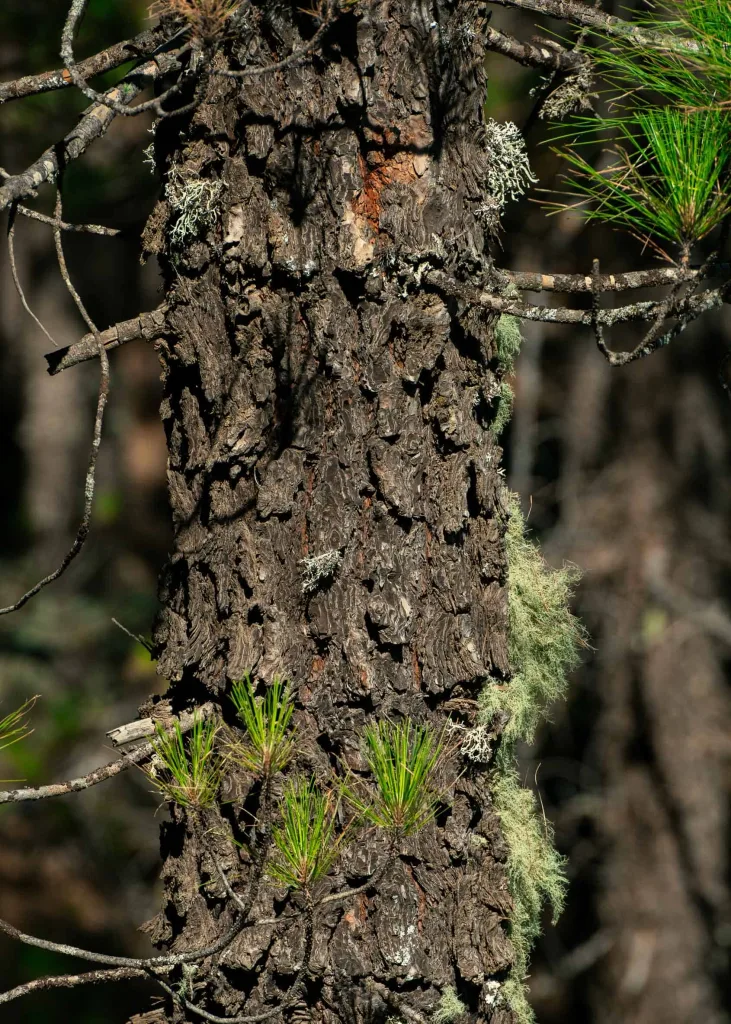
6. Pico de las Nieves
The island’s highest point, Pico de las Nieves offers a breathtaking view. Many hikes start from this area and, to enjoy the view without too much effort, you can reach the peak by car.
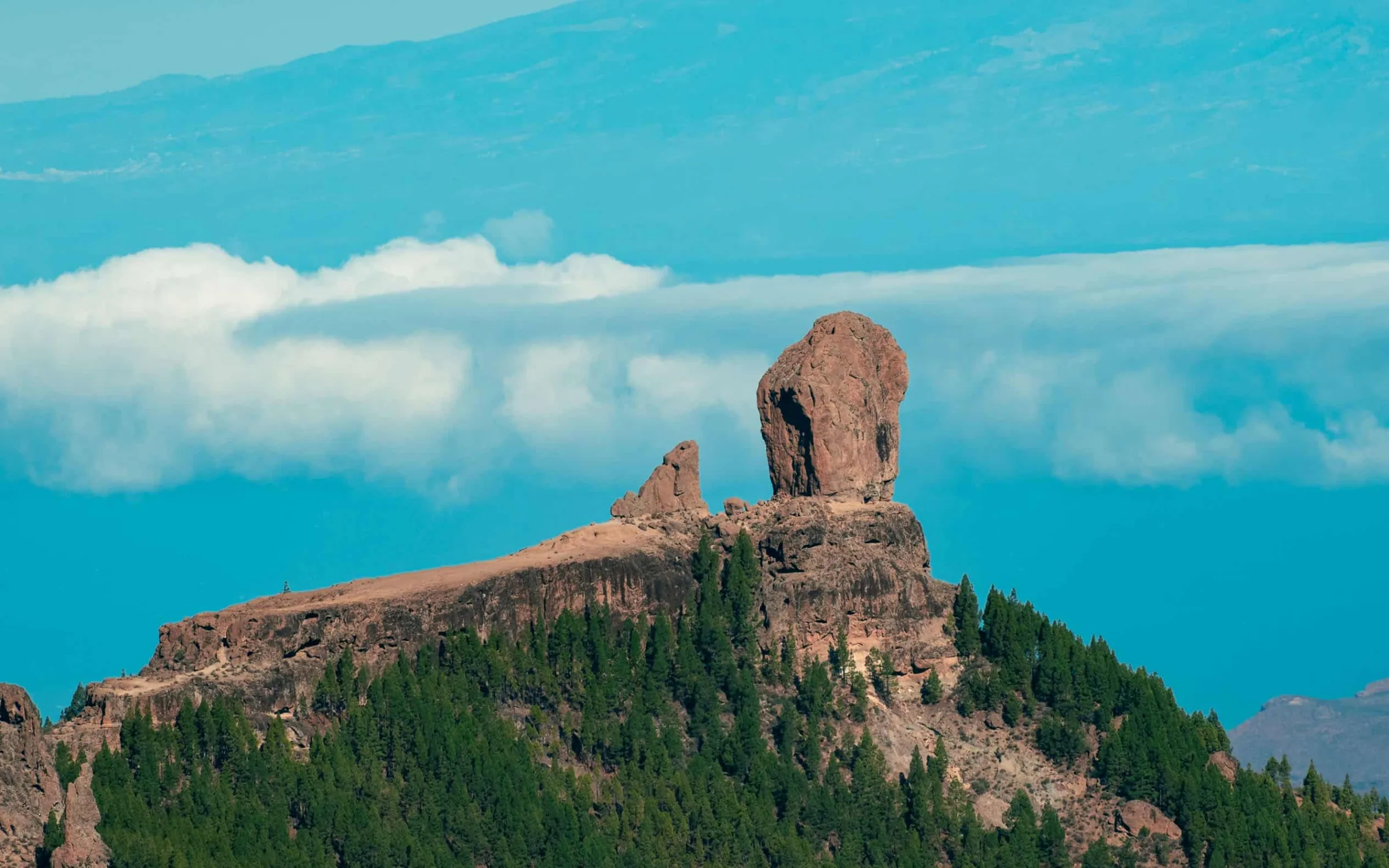
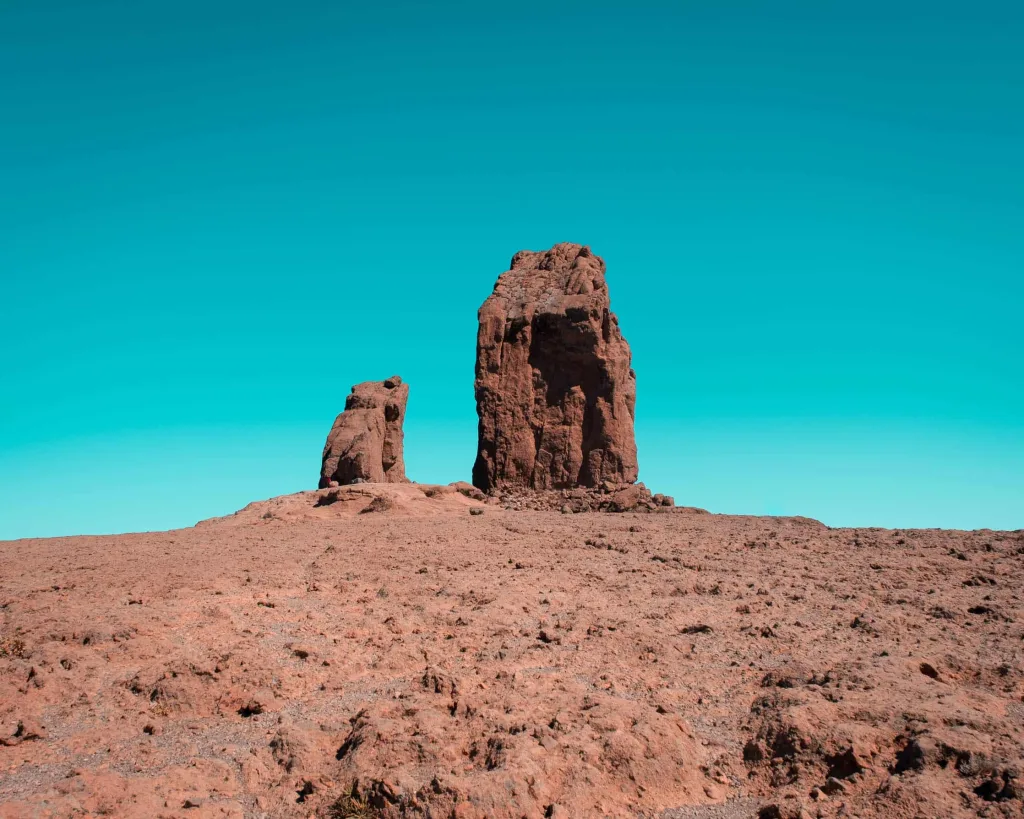
7. Roque Nublo
Not far from Pico de las Nieves stands Roque Nublo, a volcanic rock at a very high altitude, reached after a short hour’s hike. The place is very special, and you can see the island of Tenerife and Mount Teide from there!
At the top
Swipe →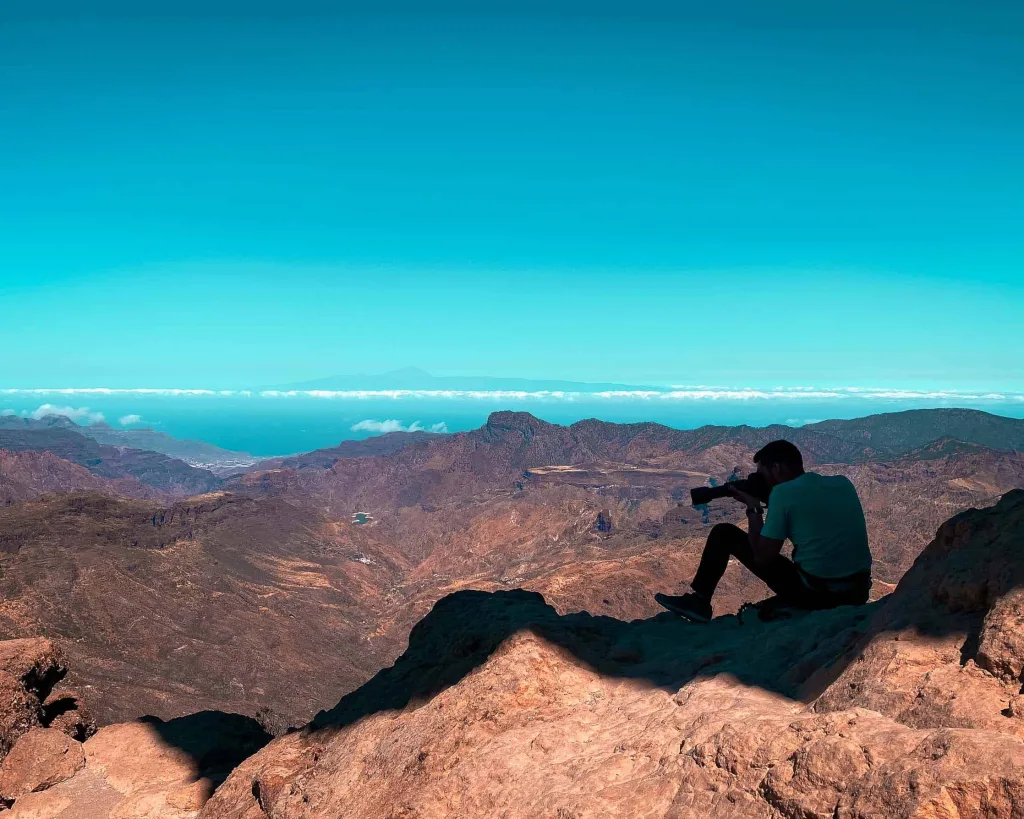

Pico de la Casa
& Montaña de las Presas
One of the toughest hikes on the island, but one of the most beautiful landscapes: you have to be rewarded somehow! Close to Agaete, it’s for experienced or brave hikers. Allow 6 hours of walking, steep climbs and more than 17 km!
Tourist
activities
9. Poema del Mar
The island’s aquarium is an absolute must! Incredible species, huge tanks and settings that immerse you in a magical place. A lovely visit to do with the family.
10. Cocodrilo Park
A very welcoming park, small in size and in price. You’ll see crocodiles there, but also many birds, tigers, llamas… Its bonus: how close you get to the animals.
11. Dolphin-watching cruise
Two hours out at sea with guaranteed dolphin sightings, and with a bit of luck whales too. The Canary Islands are considered one of the largest whale and dolphin sanctuaries on the planet: it would be a shame to miss it!
The village
of Tejeda
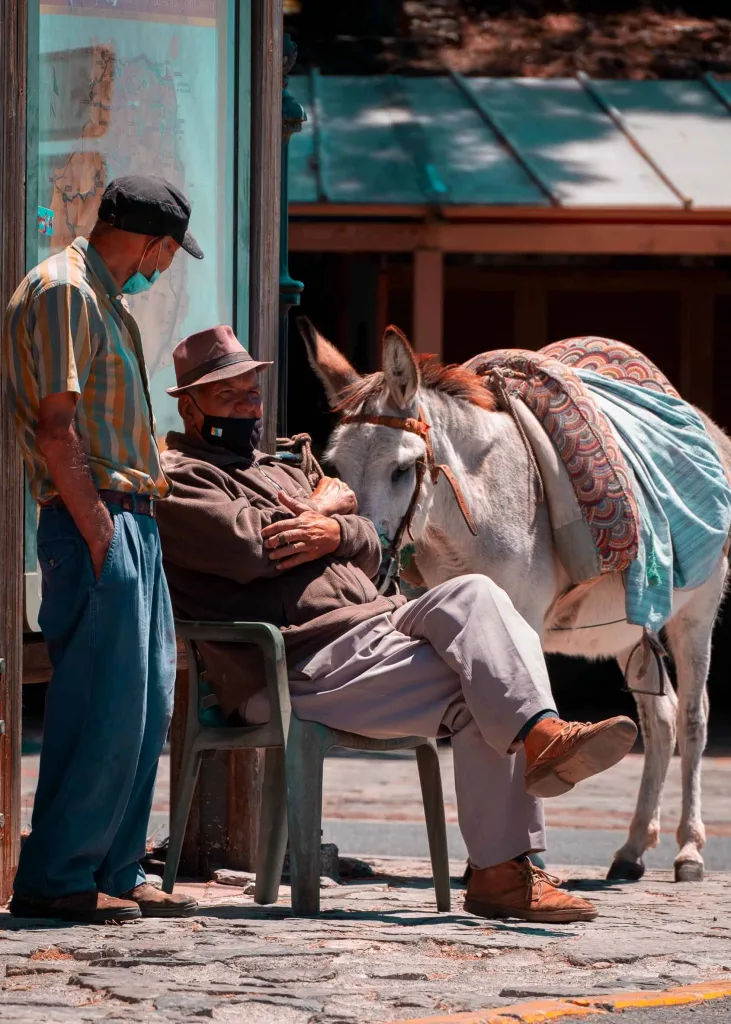
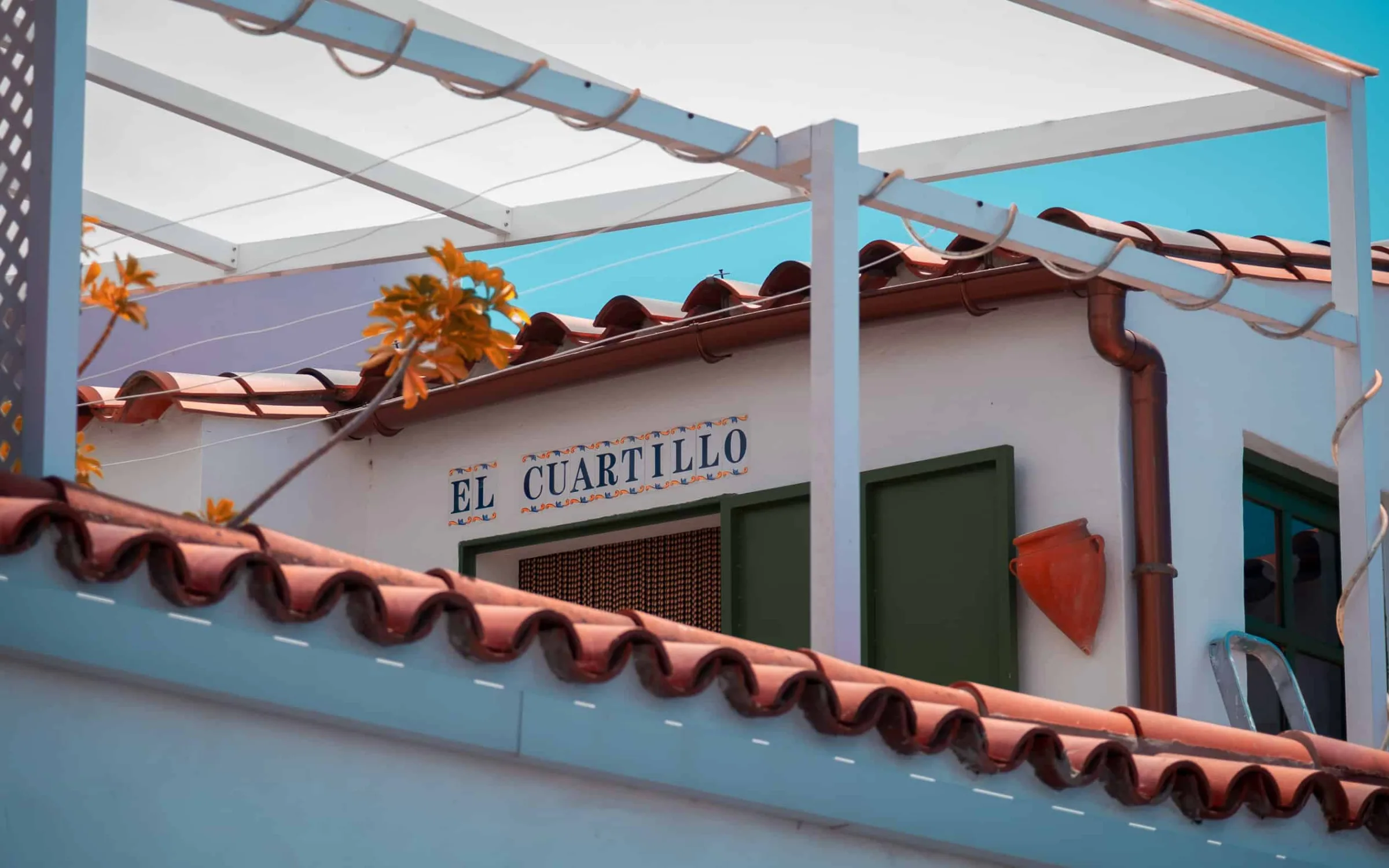
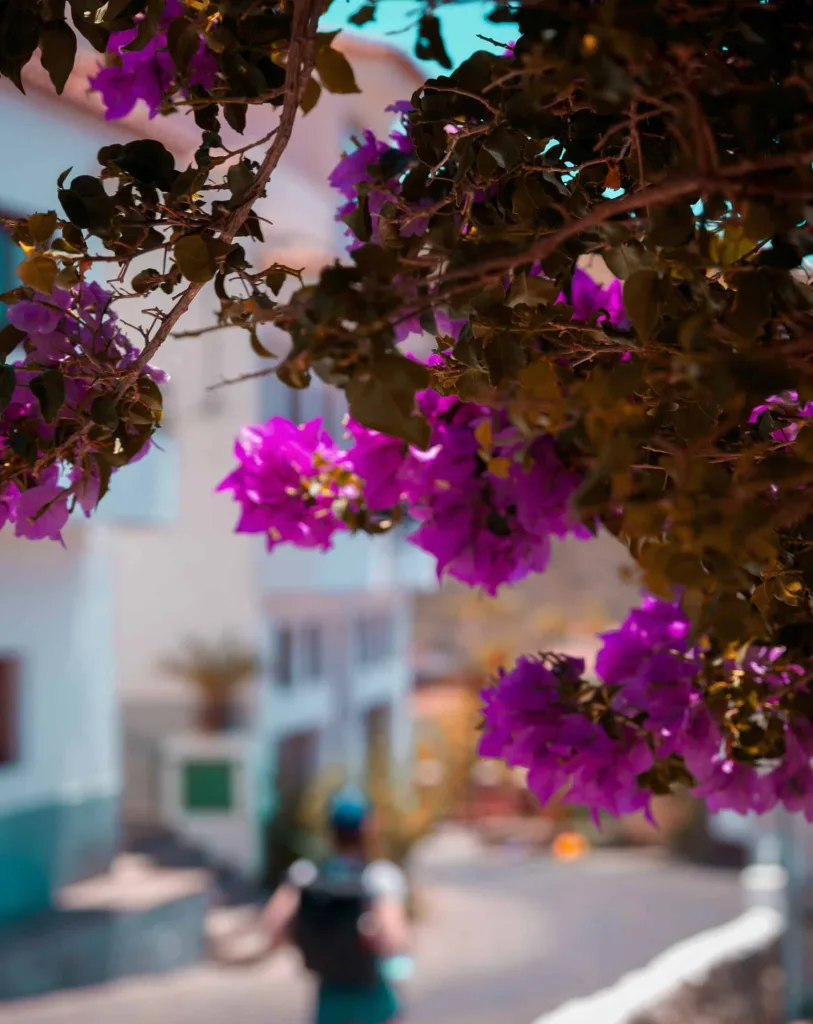
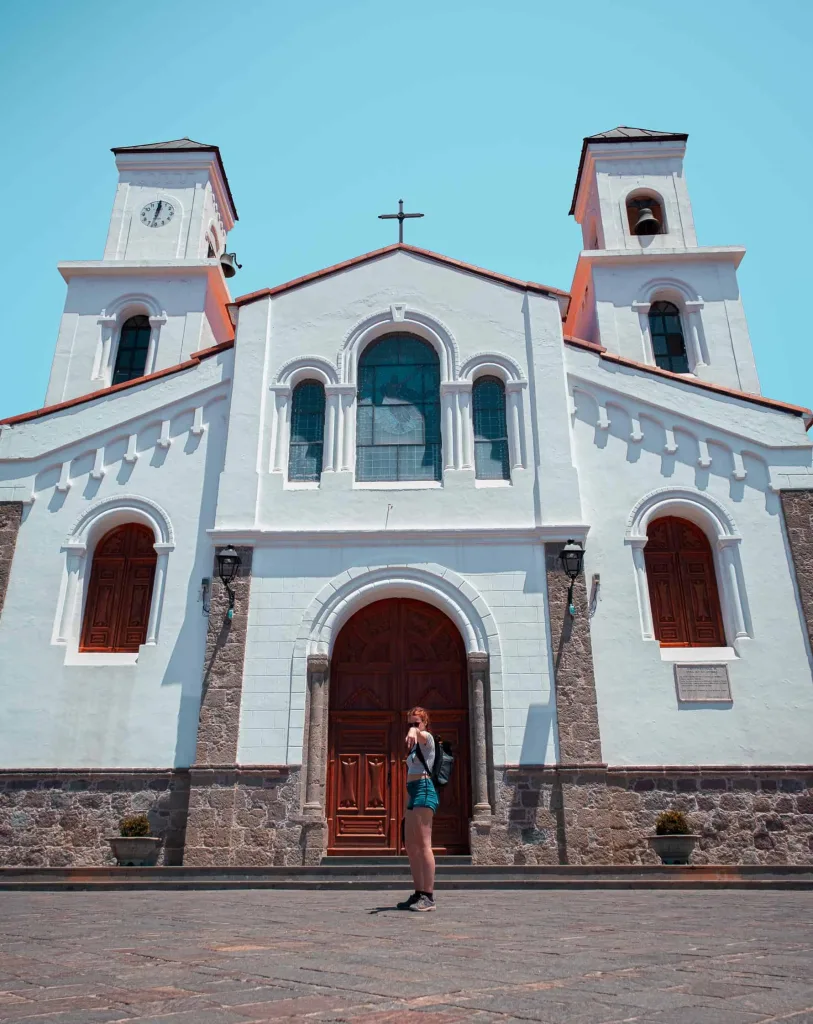
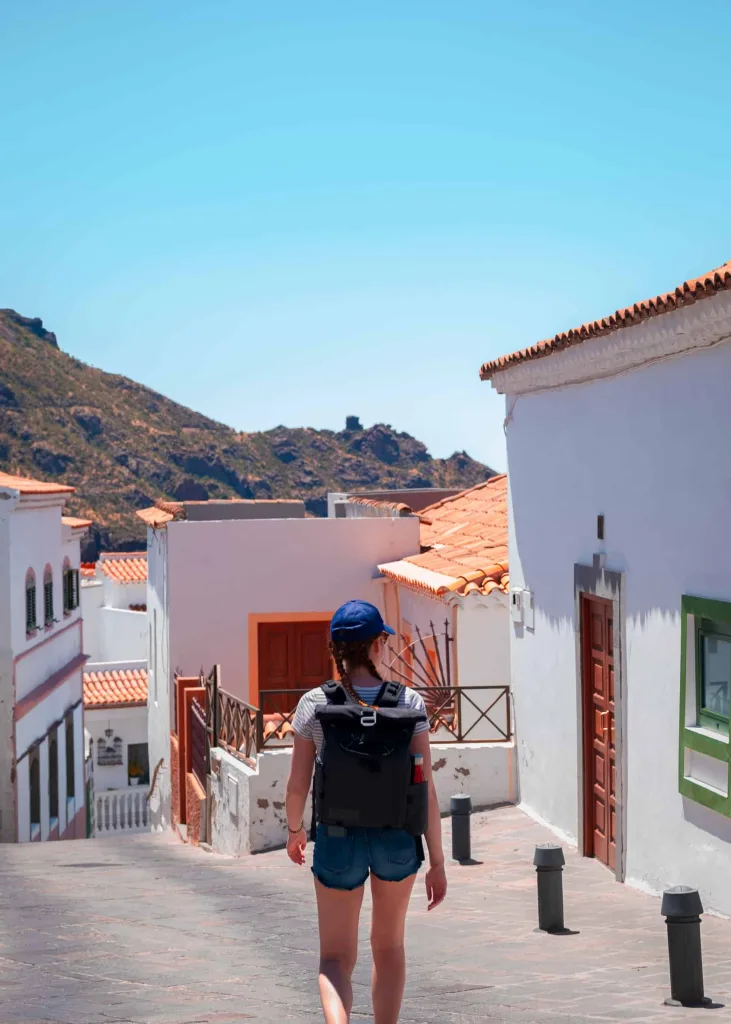
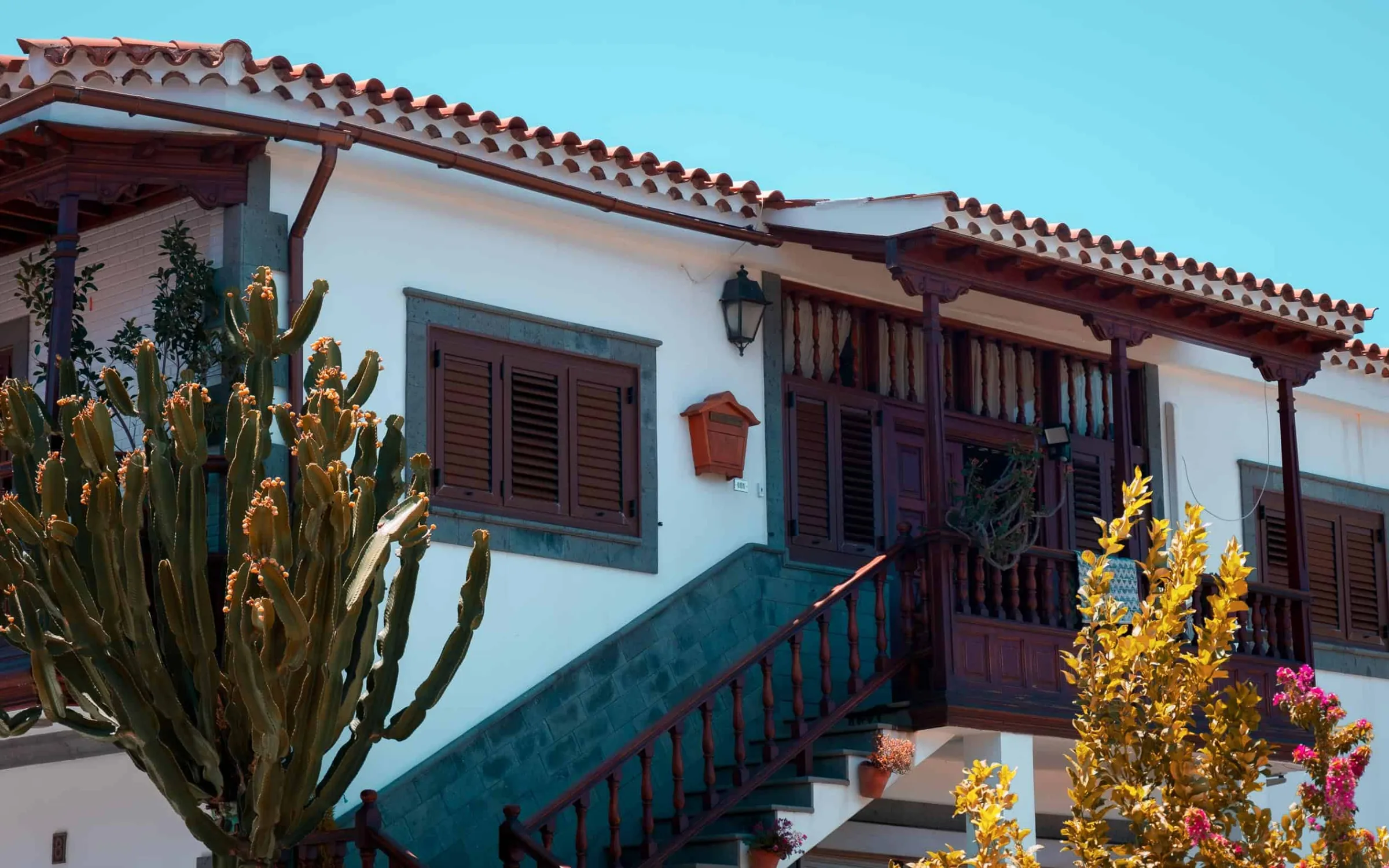
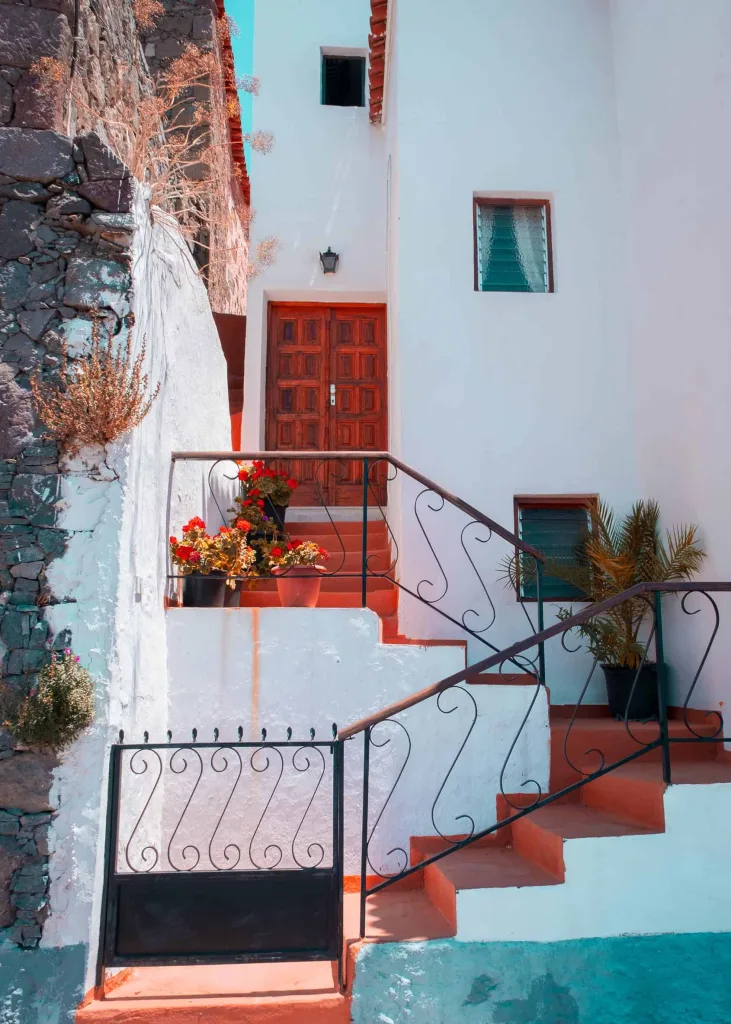
A place not to be missed! It’s one of the most beautiful villages we visited during our stay. Perfect for eating on a terrace and enjoying the sun and the panorama. You can also book a spot at the open-air municipal pool.


Las Palmas,
Mogán & Teror
13. Las Palmas, Vegueta district
Las Palmas is the biggest city on the island. Vegueta, one of the first districts built when the Spanish settlers arrived, is its historic centre: it’s a pleasant place to stroll among the old buildings, including the Cathedral of the Canary Islands. A piece of history not to be missed!
14. The port of Mogán
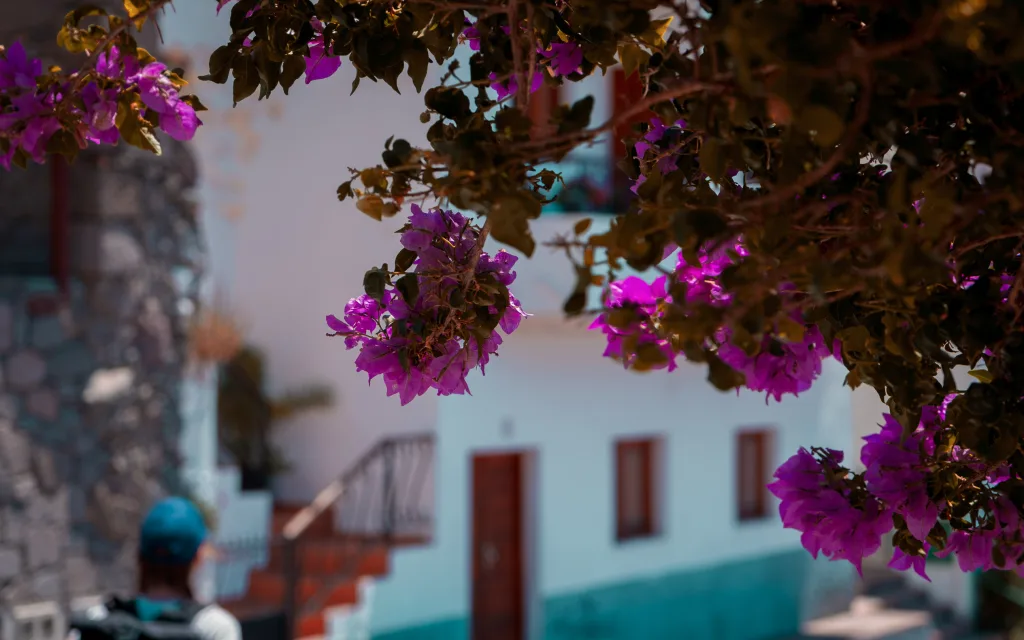
On a par with Tejeda, the port of Mogán is a charming place: a harbour, a town full of flowers, chic boutiques… the Saint-Tropez of the Canaries. Just the place to end the day!
15. The village of Teror
On your way, Teror is a village not to be missed. The visit is short, but a short hour is enough to discover magnificent houses and the Basilica of Nuestra Señora del Pino.
I hope this article will help you organise your trip to Gran Canaria, or choose your next destination!
Check the map of the island below to find the places mentioned, and many more. Questions, suggestions? Tell us in the comments, and if you enjoyed the article, let us know!
Gran Canaria, on one map
The 15 must-sees and many other points of interest on the island are pinned on a Google map.
Open the map- 01Playa del Inglés
- 02Amadores beach
- 03Anfi del Mar beach
- 04Roque Prieto pools
- 05Maspalomas dunes
- 06Pico de las Nieves
- 07Roque Nublo
- 08Pico de la Casa
- 09Poema del Mar
- 10Cocodrilo Park
- 11Dolphin cruise
- 12Tejeda
- 13Vegueta, Las Palmas
- 14Port of Mogán
- 15Teror
0 comments
A question about the place, the route or the budget? Ask it here, I reply to every message.